

Experience • Integrity • Results

Author: Realty Savers

  • Questions Owners Should Ask a Property Manager

    REALTY SAVERS NEWS & INSIGHTS · PROPERTY MANAGEMENT

    Questions Owners Should Ask a Property Manager
    Original illustrative visual created by Realty Savers; not a project shown in the source.

    A well-run rental property depends on more than a monthly report. It depends on a process people can understand and trust.

    What good management looks like

    Good property management is a repeatable operating system. Clear records, consistent communication, planned maintenance, and documented decisions help owners and residents know what to expect and reduce avoidable delays.

    The most useful starting point is to define the decision in plain language, identify the documents or facts that support it, and note which items still need confirmation. For this topic, focus on records, maintenance, communication, compliance, and service follow-through. A written process makes the next conversation more efficient and helps people recognize when professional guidance is appropriate.

    The part that affects an owner’s week

    1. Start with the source. Identify who issued the information, when it was published, and whether it applies to the property, neighborhood, or transaction being considered.
    2. Separate facts from assumptions. Record confirmed details separately from estimates, opinions, and questions that still need an answer.
    3. Compare like with like. Use the same property type, time period, location, and definition when comparing options.
    4. Check timing. Write down deadlines, review periods, renewal dates, inspection windows, or public meeting dates before taking action.
    5. Keep a decision record. Save the relevant notices, estimates, disclosures, messages, and follow-up notes together.

    A few details to settle early

    Use the following sequence before committing time or money: first collect the original information; next list the decision points; then compare the options using the same criteria; finally confirm the next action, owner, and deadline in writing. If a point affects rights, financing, safety, taxes, insurance, or a binding contract, pause and consult the appropriate licensed professional.

    The original guidance

    • What information is still missing?
    • Which deadline or condition could change the decision?
    • Who is responsible for the next step?
    • What document should be saved for future reference?
    • What should be confirmed by a qualified professional?

    California Department of Real Estate, California Tenants guide — 2026 edition.

    *General information only. Realty Savers does not provide legal, tax, lending, insurance, government, or other professional advice through this article.

  • Preparing a Rental Home for Turnover

    REALTY SAVERS NEWS & INSIGHTS · PROPERTY MANAGEMENT

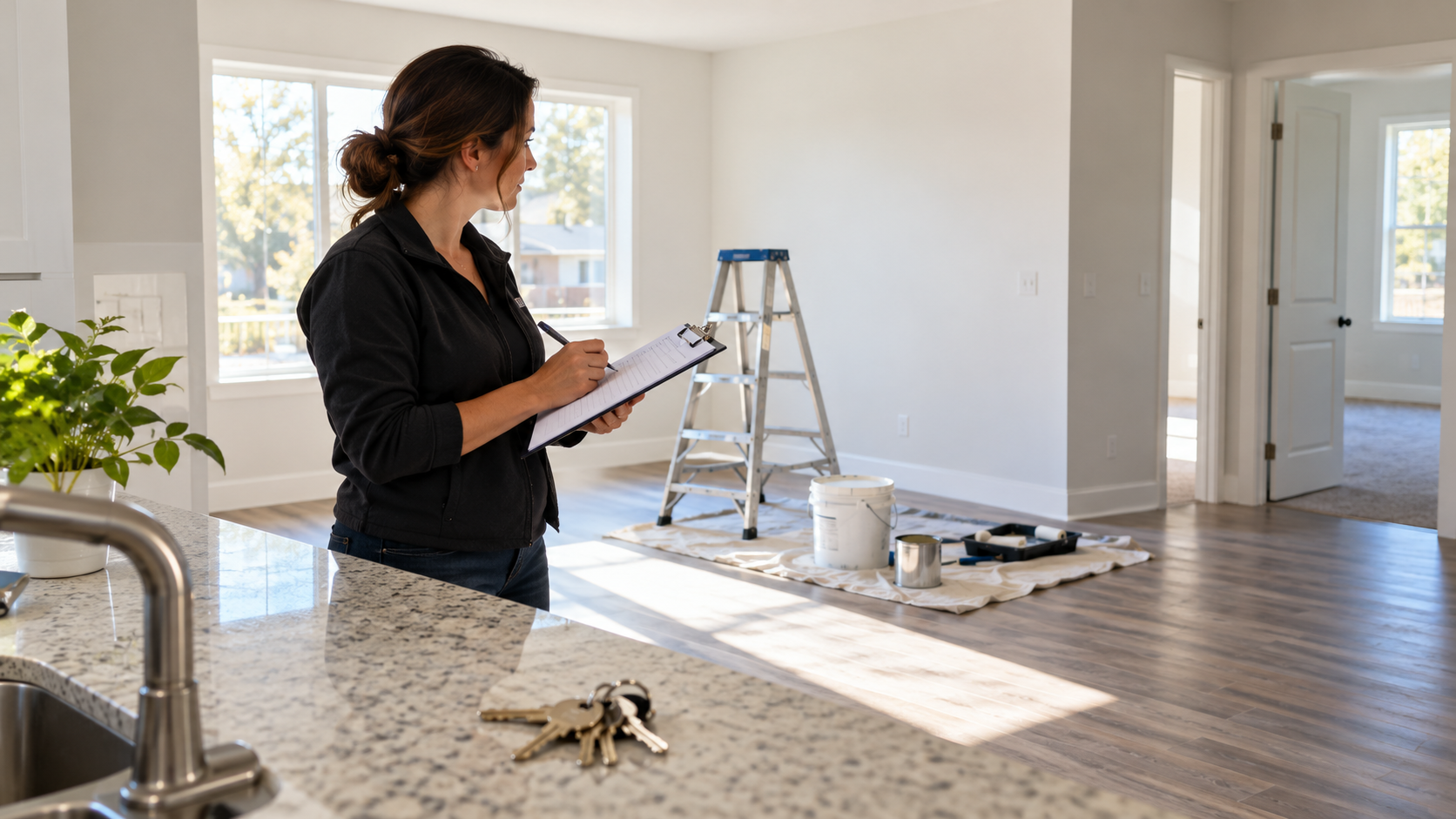
    Preparing a Rental Home for Turnover
    Original illustrative visual created by Realty Savers; not a project shown in the source.

    Good property management is built in the small decisions: clear expectations, reliable records, and follow-through when something needs attention.

    The main idea

    Good property management is a repeatable operating system. Clear records, consistent communication, planned maintenance, and documented decisions help owners and residents know what to expect and reduce avoidable delays.

    The most useful starting point is to define the decision in plain language, identify the documents or facts that support it, and note which items still need confirmation. For this topic, focus on records, maintenance, communication, compliance, and service follow-through. A written process makes the next conversation more efficient and helps people recognize when professional guidance is appropriate.

    Why this matters in day-to-day management

    1. Start with the source. Identify who issued the information, when it was published, and whether it applies to the property, neighborhood, or transaction being considered.
    2. Separate facts from assumptions. Record confirmed details separately from estimates, opinions, and questions that still need an answer.
    3. Compare like with like. Use the same property type, time period, location, and definition when comparing options.
    4. Check timing. Write down deadlines, review periods, renewal dates, inspection windows, or public meeting dates before taking action.
    5. Keep a decision record. Save the relevant notices, estimates, disclosures, messages, and follow-up notes together.

    Questions worth putting on the table

    Use the following sequence before committing time or money: first collect the original information; next list the decision points; then compare the options using the same criteria; finally confirm the next action, owner, and deadline in writing. If a point affects rights, financing, safety, taxes, insurance, or a binding contract, pause and consult the appropriate licensed professional.

    A sensible next move

    • What information is still missing?
    • Which deadline or condition could change the decision?
    • Who is responsible for the next step?
    • What document should be saved for future reference?
    • What should be confirmed by a qualified professional?

    Where to verify the details

    This guide is general educational information. Confirm current requirements with the appropriate public agency or licensed professional before acting.

    *General information only. Realty Savers does not provide legal, tax, lending, insurance, government, or other professional advice through this article.

  • How Owners Can Review Monthly Property Reports

    REALTY SAVERS NEWS & INSIGHTS · PROPERTY MANAGEMENT

    How Owners Can Review Monthly Property Reports
    Original illustrative visual created by Realty Savers; not a project shown in the source.

    A well-run rental property depends on more than a monthly report. It depends on a process people can understand and trust.

    What good management looks like

    Good property management is a repeatable operating system. Clear records, consistent communication, planned maintenance, and documented decisions help owners and residents know what to expect and reduce avoidable delays.

    The most useful starting point is to define the decision in plain language, identify the documents or facts that support it, and note which items still need confirmation. For this topic, focus on records, maintenance, communication, compliance, and service follow-through. A written process makes the next conversation more efficient and helps people recognize when professional guidance is appropriate.

    The part that affects an owner’s week

    1. Start with the source. Identify who issued the information, when it was published, and whether it applies to the property, neighborhood, or transaction being considered.
    2. Separate facts from assumptions. Record confirmed details separately from estimates, opinions, and questions that still need an answer.
    3. Compare like with like. Use the same property type, time period, location, and definition when comparing options.
    4. Check timing. Write down deadlines, review periods, renewal dates, inspection windows, or public meeting dates before taking action.
    5. Keep a decision record. Save the relevant notices, estimates, disclosures, messages, and follow-up notes together.

    A few details to settle early

    Use the following sequence before committing time or money: first collect the original information; next list the decision points; then compare the options using the same criteria; finally confirm the next action, owner, and deadline in writing. If a point affects rights, financing, safety, taxes, insurance, or a binding contract, pause and consult the appropriate licensed professional.

    A practical way forward

    • What information is still missing?
    • Which deadline or condition could change the decision?
    • Who is responsible for the next step?
    • What document should be saved for future reference?
    • What should be confirmed by a qualified professional?

    Where to verify the details

    This guide is general educational information. Confirm current requirements with the appropriate public agency or licensed professional before acting.

    *General information only. Realty Savers does not provide legal, tax, lending, insurance, government, or other professional advice through this article.

  • A Simple System for Property Compliance Records

    REALTY SAVERS NEWS & INSIGHTS · PROPERTY MANAGEMENT

    A Simple System for Property Compliance Records
    Original illustrative visual created by Realty Savers; not a project shown in the source.

    Good property management is built in the small decisions: clear expectations, reliable records, and follow-through when something needs attention.

    The main idea

    Good property management is a repeatable operating system. Clear records, consistent communication, planned maintenance, and documented decisions help owners and residents know what to expect and reduce avoidable delays.

    The most useful starting point is to define the decision in plain language, identify the documents or facts that support it, and note which items still need confirmation. For this topic, focus on records, maintenance, communication, compliance, and service follow-through. A written process makes the next conversation more efficient and helps people recognize when professional guidance is appropriate.

    Why this matters in day-to-day management

    1. Start with the source. Identify who issued the information, when it was published, and whether it applies to the property, neighborhood, or transaction being considered.
    2. Separate facts from assumptions. Record confirmed details separately from estimates, opinions, and questions that still need an answer.
    3. Compare like with like. Use the same property type, time period, location, and definition when comparing options.
    4. Check timing. Write down deadlines, review periods, renewal dates, inspection windows, or public meeting dates before taking action.
    5. Keep a decision record. Save the relevant notices, estimates, disclosures, messages, and follow-up notes together.

    Questions worth putting on the table

    Use the following sequence before committing time or money: first collect the original information; next list the decision points; then compare the options using the same criteria; finally confirm the next action, owner, and deadline in writing. If a point affects rights, financing, safety, taxes, insurance, or a binding contract, pause and consult the appropriate licensed professional.

    A sensible next move

    • What information is still missing?
    • Which deadline or condition could change the decision?
    • Who is responsible for the next step?
    • What document should be saved for future reference?
    • What should be confirmed by a qualified professional?

    Where to verify the details

    This guide is general educational information. Confirm current requirements with the appropriate public agency or licensed professional before acting.

    *General information only. Realty Savers does not provide legal, tax, lending, insurance, government, or other professional advice through this article.
  • How to Compare Maintenance Estimates

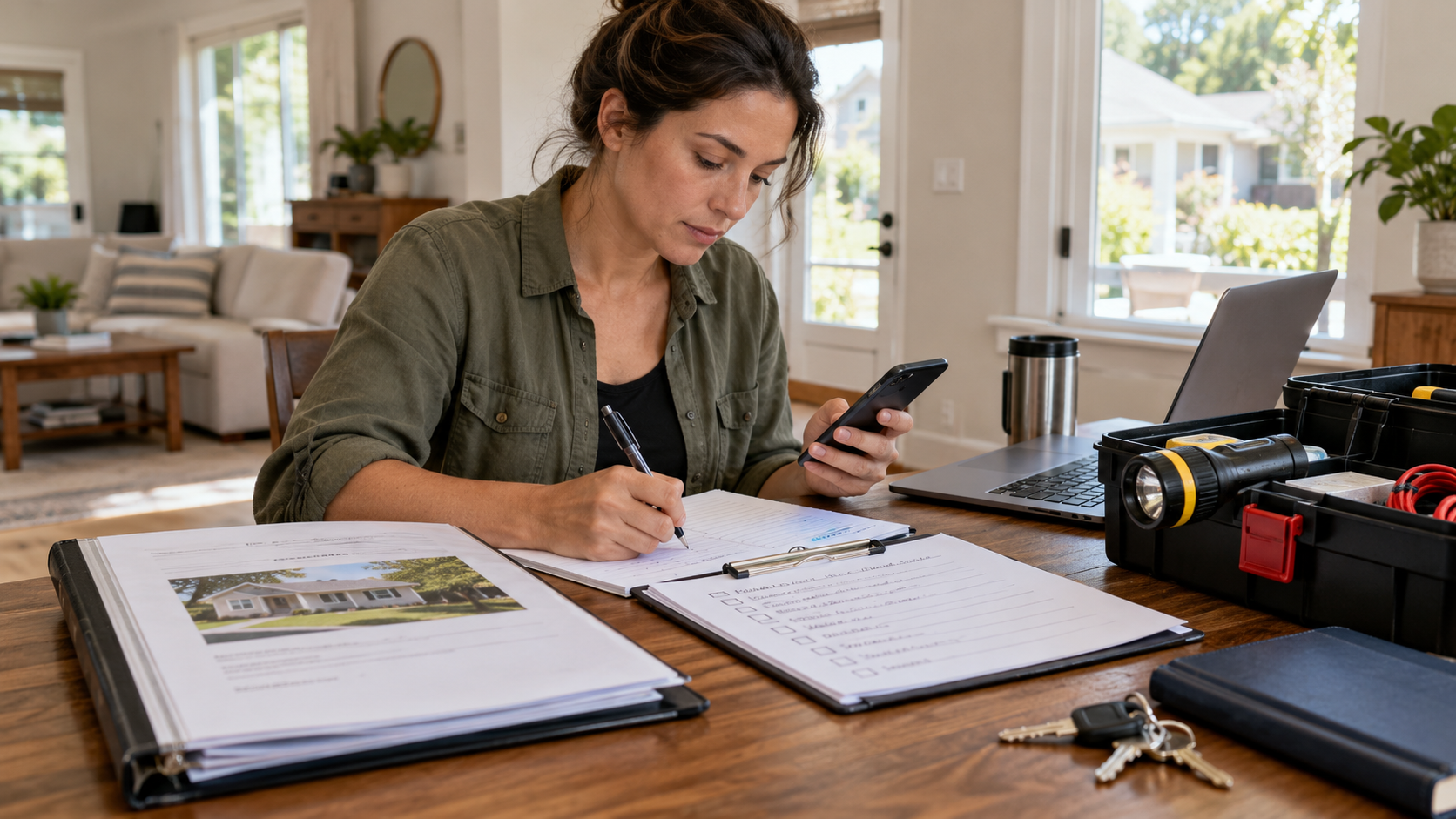
    How to Compare Maintenance Estimates — article photo
    How to Compare Maintenance Estimates — photo via Unsplash.

    Property Management · Practical Realty Savers Guide

    Overview

    Good property management is a repeatable operating system. Clear records, consistent communication, planned maintenance, and documented decisions help owners and residents know what to expect and reduce avoidable delays.

    The most useful starting point is to define the decision in plain language, identify the documents or facts that support it, and note which items still need confirmation. For this topic, focus on records, maintenance, communication, compliance, and service follow-through. A written process makes the next conversation more efficient and helps readers recognize when professional guidance is appropriate.

    What to review

    1. Start with the source. Identify who issued the information, when it was published, and whether it applies to the property, neighborhood, or transaction being considered.
    2. Separate facts from assumptions. Record confirmed details separately from estimates, opinions, and questions that still need an answer.
    3. Compare like with like. Use the same property type, time period, location, and definition when comparing options.
    4. Check timing. Write down deadlines, review periods, renewal dates, inspection windows, or public meeting dates before taking action.
    5. Keep a decision record. Save the relevant notices, estimates, disclosures, messages, and follow-up notes together.

    Practical action plan

    Use the following sequence before committing time or money: first collect the original information; next list the decision points; then compare the options using the same criteria; finally confirm the next action, owner, and deadline in writing. If a point affects rights, financing, safety, taxes, insurance, or a binding contract, pause and consult the appropriate licensed professional.

    Questions to ask

    • What information is still missing?
    • Which deadline or condition could change the decision?
    • Who is responsible for the next step?
    • What document should be saved for future reference?
    • What should be confirmed by a qualified professional?

    *General information only. Realty Savers does not provide legal, tax, lending, insurance, government, or other professional advice through this article.

  • Planning Emergency Contacts for Rental Properties

    REALTY SAVERS NEWS & INSIGHTS · PROPERTY MANAGEMENT

    Planning Emergency Contacts for Rental Properties
    Original illustrative visual created by Realty Savers; not a project shown in the source.

    Good property management is built in the small decisions: clear expectations, reliable records, and follow-through when something needs attention.

    The main idea

    Good property management is a repeatable operating system. Clear records, consistent communication, planned maintenance, and documented decisions help owners and residents know what to expect and reduce avoidable delays.

    The most useful starting point is to define the decision in plain language, identify the documents or facts that support it, and note which items still need confirmation. For this topic, focus on records, maintenance, communication, compliance, and service follow-through. A written process makes the next conversation more efficient and helps people recognize when professional guidance is appropriate.

    Why this matters in day-to-day management

    1. Start with the source. Identify who issued the information, when it was published, and whether it applies to the property, neighborhood, or transaction being considered.
    2. Separate facts from assumptions. Record confirmed details separately from estimates, opinions, and questions that still need an answer.
    3. Compare like with like. Use the same property type, time period, location, and definition when comparing options.
    4. Check timing. Write down deadlines, review periods, renewal dates, inspection windows, or public meeting dates before taking action.
    5. Keep a decision record. Save the relevant notices, estimates, disclosures, messages, and follow-up notes together.

    Questions worth putting on the table

    Use the following sequence before committing time or money: first collect the original information; next list the decision points; then compare the options using the same criteria; finally confirm the next action, owner, and deadline in writing. If a point affects rights, financing, safety, taxes, insurance, or a binding contract, pause and consult the appropriate licensed professional.

    A sensible next move

    • What information is still missing?
    • Which deadline or condition could change the decision?
    • Who is responsible for the next step?
    • What document should be saved for future reference?
    • What should be confirmed by a qualified professional?

    Where to verify the details

    This guide is general educational information. Confirm current requirements with the appropriate public agency or licensed professional before acting.

    *General information only. Realty Savers does not provide legal, tax, lending, insurance, government, or other professional advice through this article.

  • How to Document Property Conditions Properly

    REALTY SAVERS NEWS & INSIGHTS · PROPERTY MANAGEMENT

    How to Document Property Conditions Properly
    Original illustrative visual created by Realty Savers; not a project shown in the source.

    A well-run rental property depends on more than a monthly report. It depends on a process people can understand and trust.

    What good management looks like

    Good property management is a repeatable operating system. Clear records, consistent communication, planned maintenance, and documented decisions help owners and residents know what to expect and reduce avoidable delays.

    The most useful starting point is to define the decision in plain language, identify the documents or facts that support it, and note which items still need confirmation. For this topic, focus on records, maintenance, communication, compliance, and service follow-through. A written process makes the next conversation more efficient and helps people recognize when professional guidance is appropriate.

    The part that affects an owner’s week

    1. Start with the source. Identify who issued the information, when it was published, and whether it applies to the property, neighborhood, or transaction being considered.
    2. Separate facts from assumptions. Record confirmed details separately from estimates, opinions, and questions that still need an answer.
    3. Compare like with like. Use the same property type, time period, location, and definition when comparing options.
    4. Check timing. Write down deadlines, review periods, renewal dates, inspection windows, or public meeting dates before taking action.
    5. Keep a decision record. Save the relevant notices, estimates, disclosures, messages, and follow-up notes together.

    A few details to settle early

    Use the following sequence before committing time or money: first collect the original information; next list the decision points; then compare the options using the same criteria; finally confirm the next action, owner, and deadline in writing. If a point affects rights, financing, safety, taxes, insurance, or a binding contract, pause and consult the appropriate licensed professional.

    A practical way forward

    • What information is still missing?
    • Which deadline or condition could change the decision?
    • Who is responsible for the next step?
    • What document should be saved for future reference?
    • What should be confirmed by a qualified professional?

    Where to verify the details

    This guide is general educational information. Confirm current requirements with the appropriate public agency or licensed professional before acting.

    *General information only. Realty Savers does not provide legal, tax, lending, insurance, government, or other professional advice through this article.

  • Creating Consistent Property Communication Standards

    REALTY SAVERS NEWS & INSIGHTS · PROPERTY MANAGEMENT

    Creating Consistent Property Communication Standards
    Original illustrative visual created by Realty Savers; not a project shown in the source.

    Good property management is built in the small decisions: clear expectations, reliable records, and follow-through when something needs attention.

    The main idea

    Good property management is a repeatable operating system. Clear records, consistent communication, planned maintenance, and documented decisions help owners and residents know what to expect and reduce avoidable delays.

    The most useful starting point is to define the decision in plain language, identify the documents or facts that support it, and note which items still need confirmation. For this topic, focus on records, maintenance, communication, compliance, and service follow-through. A written process makes the next conversation more efficient and helps people recognize when professional guidance is appropriate.

    Why this matters in day-to-day management

    1. Start with the source. Identify who issued the information, when it was published, and whether it applies to the property, neighborhood, or transaction being considered.
    2. Separate facts from assumptions. Record confirmed details separately from estimates, opinions, and questions that still need an answer.
    3. Compare like with like. Use the same property type, time period, location, and definition when comparing options.
    4. Check timing. Write down deadlines, review periods, renewal dates, inspection windows, or public meeting dates before taking action.
    5. Keep a decision record. Save the relevant notices, estimates, disclosures, messages, and follow-up notes together.

    Questions worth putting on the table

    Use the following sequence before committing time or money: first collect the original information; next list the decision points; then compare the options using the same criteria; finally confirm the next action, owner, and deadline in writing. If a point affects rights, financing, safety, taxes, insurance, or a binding contract, pause and consult the appropriate licensed professional.

    A sensible next move

    • What information is still missing?
    • Which deadline or condition could change the decision?
    • Who is responsible for the next step?
    • What document should be saved for future reference?
    • What should be confirmed by a qualified professional?

    Where to verify the details

    This guide is general educational information. Confirm current requirements with the appropriate public agency or licensed professional before acting.

    *General information only. Realty Savers does not provide legal, tax, lending, insurance, government, or other professional advice through this article.

  • How to Reduce Delays in Maintenance Decisions

    REALTY SAVERS NEWS & INSIGHTS · PROPERTY MANAGEMENT

    How to Reduce Delays in Maintenance Decisions
    Original illustrative visual created by Realty Savers; not a project shown in the source.

    A well-run rental property depends on more than a monthly report. It depends on a process people can understand and trust.

    What good management looks like

    Good property management is a repeatable operating system. Clear records, consistent communication, planned maintenance, and documented decisions help owners and residents know what to expect and reduce avoidable delays.

    The most useful starting point is to define the decision in plain language, identify the documents or facts that support it, and note which items still need confirmation. For this topic, focus on records, maintenance, communication, compliance, and service follow-through. A written process makes the next conversation more efficient and helps people recognize when professional guidance is appropriate.

    The part that affects an owner’s week

    1. Start with the source. Identify who issued the information, when it was published, and whether it applies to the property, neighborhood, or transaction being considered.
    2. Separate facts from assumptions. Record confirmed details separately from estimates, opinions, and questions that still need an answer.
    3. Compare like with like. Use the same property type, time period, location, and definition when comparing options.
    4. Check timing. Write down deadlines, review periods, renewal dates, inspection windows, or public meeting dates before taking action.
    5. Keep a decision record. Save the relevant notices, estimates, disclosures, messages, and follow-up notes together.

    A few details to settle early

    Use the following sequence before committing time or money: first collect the original information; next list the decision points; then compare the options using the same criteria; finally confirm the next action, owner, and deadline in writing. If a point affects rights, financing, safety, taxes, insurance, or a binding contract, pause and consult the appropriate licensed professional.

    A practical way forward

    • What information is still missing?
    • Which deadline or condition could change the decision?
    • Who is responsible for the next step?
    • What document should be saved for future reference?
    • What should be confirmed by a qualified professional?

    Where to verify the details

    This guide is general educational information. Confirm current requirements with the appropriate public agency or licensed professional before acting.

    *General information only. Realty Savers does not provide legal, tax, lending, insurance, government, or other professional advice through this article.

  • What Owners Should Review Before a Lease Renewal

    What Owners Should Review Before a Lease Renewal — article photo
    What Owners Should Review Before a Lease Renewal — photo via Unsplash.

    Property Management · Practical Realty Savers Guide

    Overview

    Good property management is a repeatable operating system. Clear records, consistent communication, planned maintenance, and documented decisions help owners and residents know what to expect and reduce avoidable delays.

    The most useful starting point is to define the decision in plain language, identify the documents or facts that support it, and note which items still need confirmation. For this topic, focus on records, maintenance, communication, compliance, and service follow-through. A written process makes the next conversation more efficient and helps readers recognize when professional guidance is appropriate.

    What to review

    1. Start with the source. Identify who issued the information, when it was published, and whether it applies to the property, neighborhood, or transaction being considered.
    2. Separate facts from assumptions. Record confirmed details separately from estimates, opinions, and questions that still need an answer.
    3. Compare like with like. Use the same property type, time period, location, and definition when comparing options.
    4. Check timing. Write down deadlines, review periods, renewal dates, inspection windows, or public meeting dates before taking action.
    5. Keep a decision record. Save the relevant notices, estimates, disclosures, messages, and follow-up notes together.

    Practical action plan

    Use the following sequence before committing time or money: first collect the original information; next list the decision points; then compare the options using the same criteria; finally confirm the next action, owner, and deadline in writing. If a point affects rights, financing, safety, taxes, insurance, or a binding contract, pause and consult the appropriate licensed professional.

    Questions to ask

    • What information is still missing?
    • Which deadline or condition could change the decision?
    • Who is responsible for the next step?
    • What document should be saved for future reference?
    • What should be confirmed by a qualified professional?

    *General information only. Realty Savers does not provide legal, tax, lending, insurance, government, or other professional advice through this article.